
kalibangan in which state is a common question asked by students, history lovers, and travelers who want to understand India’s ancient past. Kalibangan is located in the state of Rajasthan, India, and it is one of the most important archaeological sites of the Indus Valley Civilization. This ancient town gives us deep insight into early urban planning, agriculture, and daily life that existed thousands of years ago.
Kalibangan holds a special place in Indian history because it shows clear evidence of one of the world’s earliest planned civilizations. In this detailed guide, you will learn exactly where Kalibangan is, why it is important, its historical background, discoveries made there, and why it still matters today.
Kalibangan in Which State and Its Exact Location
To clearly answer kalibangan in which state, Kalibangan is situated in Rajasthan. More specifically, it is located in the Hanumangarh district of northern Rajasthan, close to the banks of the ancient Ghaggar River, which is believed by many historians to be the old Saraswati River mentioned in early Indian texts.
Kalibangan lies near the Indo-Pakistan border and is surrounded by a dry, desert-like landscape today. However, in ancient times, this region was fertile and well-watered, making it suitable for agriculture and settlement. The location played a major role in the growth of Kalibangan as a prosperous urban center during the Harappan period.
Historical Background of Kalibangan
Understanding kalibangan in which state also requires understanding its long history. Kalibangan was part of the Indus Valley Civilization, also known as the Harappan Civilization, which flourished between around 2600 BCE and 1900 BCE. This civilization is considered one of the earliest urban cultures in the world.
The site of Kalibangan was first identified in the early 20th century, but major excavations took place during the 1960s. These excavations revealed that Kalibangan had two major phases of occupation: the early Harappan phase and the mature Harappan phase. This makes it extremely valuable for historians, as it shows how the civilization developed over time.
Why Kalibangan Is Important in Indian History
When discussing kalibangan in which state, it is also important to explain why this site is so significant. Kalibangan is one of the few Indus Valley sites found within modern-day India that shows clear evidence of both early and mature Harappan culture.
One of the most remarkable discoveries at Kalibangan is evidence of the world’s earliest ploughed agricultural field. This shows that the people of Kalibangan practiced advanced farming techniques and understood crop planning. The discovery changed how historians viewed early agriculture in South Asia.
Kalibangan also provided proof that fire worship and ritual practices were part of Harappan life, as several fire altars were discovered at the site.
Urban Planning and Architecture at Kalibangan
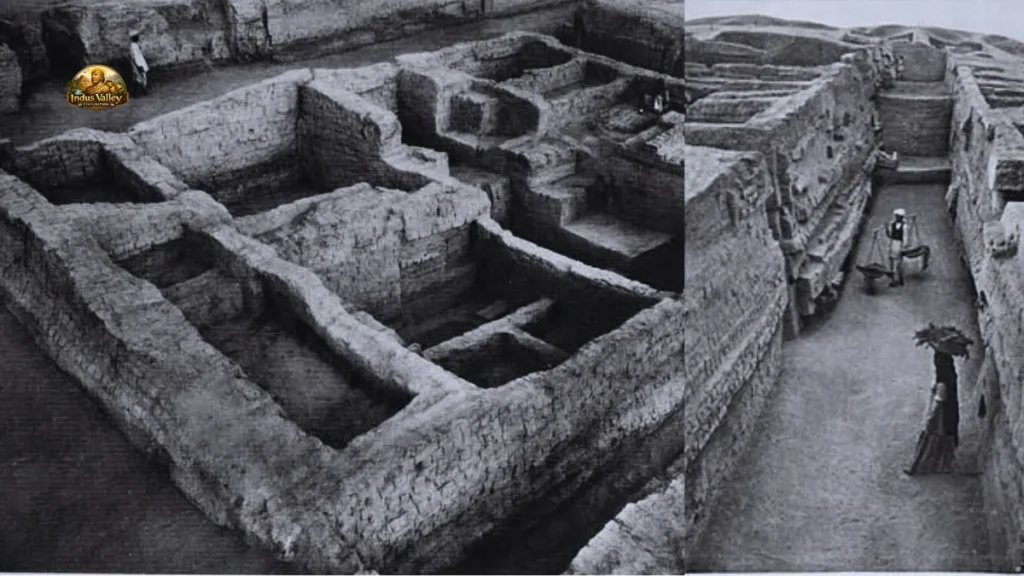
To fully understand kalibangan in which state and its importance, we must look at its town planning. Kalibangan followed a well-organized grid pattern, similar to other Harappan cities. The town was divided into two main parts: a citadel and a lower town.
The citadel was located on a raised platform and likely housed important buildings used for religious or administrative purposes. The lower town was where most people lived. Streets were laid out in straight lines, intersecting at right angles, showing advanced planning skills.
Houses were built using mud bricks and were designed with proper drainage systems. This focus on cleanliness and order reflects the high level of civic sense among the people of Kalibangan.
Kalibangan in Which State and the Ghaggar River Connection
Kalibangan in which state is closely connected to the ancient Ghaggar River system. Today, the river is mostly dry, but archaeological and geological studies suggest that it once carried a large amount of water. This river was essential for farming, drinking water, and transportation.
The drying up of the Ghaggar River is believed to be one of the major reasons behind the decline of Kalibangan and other Harappan settlements in the region. Climate change and shifting river courses likely forced people to abandon the city and move to more fertile areas.
Artifacts and Discoveries from Kalibangan
Many important artifacts were found during the excavation of Kalibangan, helping us better understand daily life in ancient times. These include pottery, seals, tools, ornaments, and toys made of terracotta.
The pottery found at Kalibangan is especially important because it shows distinct styles from different phases of occupation. Some pots were painted with geometric patterns and symbols, indicating artistic expression and cultural identity.
Seals discovered at the site often carried animal figures and symbols that are still undeciphered. These seals were likely used for trade and administrative purposes.
Religious and Cultural Practices at Kalibangan
Kalibangan in which state also draws attention to its unique religious practices. Unlike some other Harappan sites, Kalibangan provided strong evidence of ritual fire worship. Several fire altars were discovered, suggesting that fire played a central role in religious ceremonies.
There is also evidence of burial practices, which shows that the people followed structured rituals after death. These findings help historians understand the belief systems and social structure of the Harappan people.
Daily Life of the People of Kalibangan
Life in Kalibangan was well-organized and community-focused. People were engaged in agriculture, pottery making, bead production, and trade. The presence of standardized bricks and tools suggests a system of rules and measurements.
Food grains such as wheat and barley were cultivated, and the discovery of the ploughed field indicates advanced knowledge of farming techniques. Animal husbandry was also practiced, with evidence of cattle, sheep, and goats.
The layout of houses and streets shows that people valued cleanliness, safety, and order in their daily lives.
Kalibangan in Which State and Its Role in Trade
Kalibangan’s location in Rajasthan placed it along important trade routes connecting different parts of the Indus Valley Civilization. Goods from Kalibangan were likely exchanged with cities such as Harappa and Mohenjo-daro.
Trade items included pottery, beads, metals, and agricultural products. The seals found at the site support the idea of organized trade and economic activity. This trade network helped the civilization grow and remain stable for centuries.
Decline of Kalibangan Civilization
The decline of Kalibangan is still a topic of research and debate among historians. Environmental changes, especially the drying of the Ghaggar River, are considered the main reason for the abandonment of the city.
Earthquakes and shifts in climate may have also contributed to the decline. Over time, people gradually moved away, and the once-thriving city was buried under layers of sand and soil.
Kalibangan in Which State Today
Today, Kalibangan in which state remains an important question for students and travelers, as the site continues to attract attention in Rajasthan. Although the site is not as developed as some other historical locations, it holds immense archaeological value.
Efforts are being made to preserve the remains and promote awareness about Kalibangan’s importance. Museums in Rajasthan display artifacts from the site, allowing visitors to connect with this ancient civilization.
Educational and Tourism Importance of Kalibangan
Kalibangan plays a vital role in Indian education, especially in history and archaeology studies. It is frequently mentioned in school textbooks and competitive exams due to its unique features.
For tourists interested in ancient history, Kalibangan offers a quiet and meaningful experience. Visiting the site helps people understand how advanced human societies existed thousands of years ago, long before modern technology.
Also read: Kalibangan: Complete History, Discovery, Civilization Features, and Archaeological Importance
Conclusion: Kalibangan in Which State and Why It Matters
Kalibangan in which state is a simple question with a powerful answer. Kalibangan is located in Rajasthan, and it stands as a key symbol of India’s rich and ancient heritage. From early agriculture and town planning to religious practices and trade, Kalibangan offers valuable lessons about human civilization.
Understanding Kalibangan helps us appreciate the intelligence, creativity, and resilience of ancient societies. As research continues, this historic site will remain an important window into India’s distant past and a proud part of Rajasthan’s cultural legacy.