
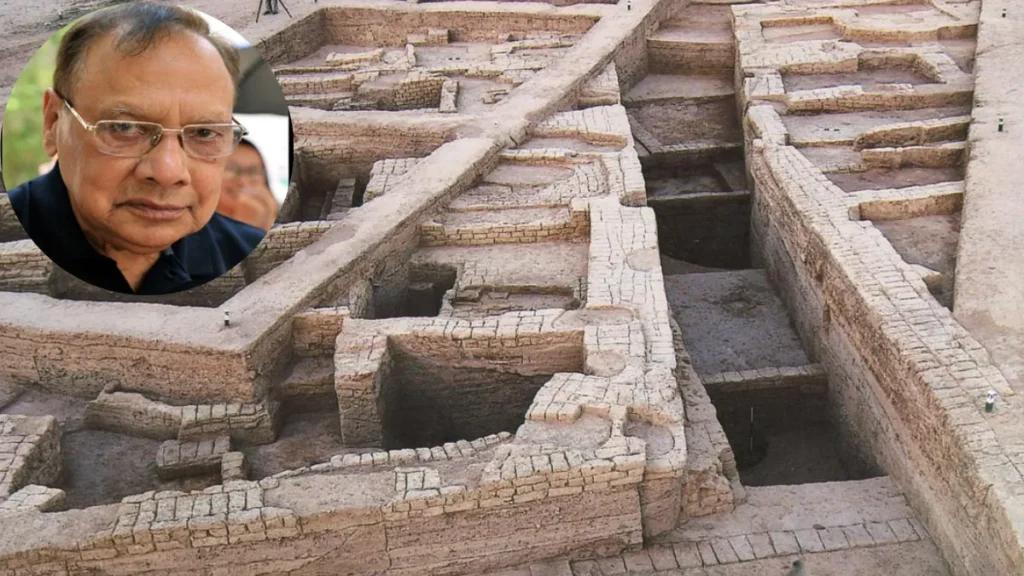
Who discovered Banavali? This question often appears when people study the history of the Indus Valley Civilization and its important archaeological sites in India. Banavali is one of the significant Harappan settlements that helped historians and archaeologists understand the lifestyle, culture, and urban planning of ancient civilizations that existed thousands of years ago.
Located in the present-day state of Haryana in India, Banavali has become an important site for archaeological research. The discovery and excavation of this ancient settlement revealed valuable information about trade, architecture, agriculture, and daily life during the Harappan period. Understanding who discovered Banavali also helps us understand how archaeological research developed in India and how ancient civilizations were uncovered over time.
Introduction to Banavali and the Indus Valley Civilization
Banavali is an ancient archaeological site connected to the Indus Valley Civilization, also known as the Harappan Civilization. This civilization flourished around 2600 BCE to 1900 BCE and is considered one of the earliest urban cultures in human history.
The Indus Valley Civilization extended across large areas of present-day Pakistan and northwestern India. It included famous cities such as Harappa, Mohenjo-daro, Dholavira, Lothal, and Kalibangan. Banavali was one of the important settlements that existed along the ancient Saraswati river system.
Banavali shows two major cultural phases. The first phase belonged to the pre-Harappan period, while the second phase represented the mature Harappan culture. Because of these two cultural layers, Banavali became extremely valuable for archaeologists studying the development of early urban societies.
Who Discovered Banavali?
The answer to the question “Who discovered Banavali?” is connected to the Archaeological Survey of India and the work of Indian archaeologists during the 1970s.
Banavali was discovered by the Archaeological Survey of India, and the site was later excavated by the famous Indian archaeologist Dr. Ravindra Singh Bisht. The excavation work began in the early 1970s and continued for several years. Dr. Bisht played a crucial role in uncovering the remains of the ancient settlement and studying its structure.
During the excavations, archaeologists discovered houses, streets, pottery, seals, beads, and many other objects that belonged to the Harappan culture. These findings proved that Banavali was a well-planned settlement with organized streets and advanced urban features.
The discovery of Banavali helped researchers understand how the Harappan civilization expanded across the Saraswati river region and how smaller towns were connected with larger cities.
Location and Geographic Importance of Banavali
Banavali is located in Fatehabad district of Haryana, India. The site lies near the dried course of the ancient Saraswati River, which many scholars believe was once a major river system during the time of the Harappan Civilization.
The location of Banavali is important because many Harappan settlements were found along riverbanks. Rivers provided water for agriculture, transportation, and trade. The Saraswati river region is believed to have supported many settlements of the Indus Valley Civilization.
Banavali’s geographic position suggests that it was an important agricultural and trading settlement. Its location also helped historians understand the spread of Harappan culture in northern India.
Archaeological Excavations at Banavali
After the discovery of Banavali, detailed excavations were conducted by the Archaeological Survey of India under the supervision of Dr. R. S. Bisht.
The excavation revealed two distinct phases of occupation. The first phase belonged to the pre-Harappan period, which existed before the full development of Harappan urban culture. The second phase represented the mature Harappan period, which had advanced urban planning and organized city structures.
Archaeologists found that the settlement was surrounded by a fortified wall. This indicates that the inhabitants might have built defensive structures for protection. The houses inside the settlement were made using mud bricks and were arranged along well-planned streets.
Many artifacts were also discovered during the excavations, including pottery, terracotta objects, seals, beads, tools, and ornaments. These objects provided important clues about the daily life of people who lived in Banavali thousands of years ago.
Urban Planning and Structure of Banavali
One of the most interesting discoveries at Banavali was its urban planning. The settlement showed a well-organized layout similar to other Harappan cities.
The town was divided into different sections, including residential areas and public spaces. The streets were carefully planned and intersected at right angles, which indicates advanced knowledge of town planning.
The houses had multiple rooms and courtyards. Some structures also had drainage systems, which shows that sanitation and water management were important aspects of life in Banavali.
The presence of fortified walls around the settlement suggests that the town had a planned boundary and possibly administrative control.
Artifacts Found at Banavali
Many fascinating artifacts were discovered at Banavali during archaeological excavations. These artifacts helped researchers understand the economic and cultural activities of the settlement.
Pottery was one of the most common findings at the site. The pottery included painted designs, geometric patterns, and different shapes used for storage and cooking.
Archaeologists also found seals made of terracotta and other materials. These seals were likely used for trade and identification. Similar seals were found in other Harappan cities, indicating a common cultural system.
Beads made from semi-precious stones, shell ornaments, and copper tools were also discovered. These items suggest that the people of Banavali were skilled in craftsmanship and participated in trade networks.
Terracotta toys and figurines found at the site indicate that children played with toys and that artistic expression was part of daily life.
Agricultural Practices in Banavali
Agriculture was an important part of life in Banavali. The settlement was located in a fertile region that supported farming activities.
Archaeological studies suggest that crops such as wheat, barley, and possibly mustard were cultivated by the inhabitants. The presence of agricultural tools and storage structures indicates that farming was organized and systematic.
The nearby river system likely provided water for irrigation and helped farmers grow crops successfully. Agriculture would have supported the local population and also contributed to trade with nearby settlements.
Trade and Economic Activities
Banavali was not an isolated settlement. Evidence suggests that it was connected with other Harappan cities through trade networks.
Artifacts such as beads, seals, and ornaments indicate that goods were exchanged between different regions. Trade might have included raw materials, agricultural products, and crafted items.
The discovery of standardized weights and measures at Harappan sites suggests that trade was organized and regulated. Banavali likely participated in this broader economic system of the Indus Valley Civilization.
Trade connections helped spread cultural ideas and technologies across different settlements.
Cultural and Social Life in Banavali
The artifacts and structures found at Banavali provide valuable insights into the cultural life of its inhabitants.
Terracotta figurines discovered at the site may represent religious beliefs or symbolic practices. Some figurines resemble mother goddess figures, which were common in Harappan culture.
The presence of decorative ornaments, beads, and jewelry suggests that people cared about personal appearance and fashion.
The layout of houses and the organized nature of the settlement indicate a structured society where people followed certain social systems and rules.
Daily life in Banavali likely involved farming, crafting, trade, and family activities.
Importance of Banavali in Archaeology
The discovery of Banavali was extremely important for understanding the Indus Valley Civilization. Before its excavation, many scholars focused mainly on large cities such as Harappa and Mohenjo-daro.
Banavali helped archaeologists understand that the civilization was not limited to large cities. It also included smaller towns and settlements that played important roles in the economic and cultural network.
The presence of both pre-Harappan and mature Harappan layers at Banavali allowed researchers to study the development of the civilization over time.
This made Banavali an important site for understanding how early settlements gradually evolved into complex urban societies.
Banavali and the Saraswati River Civilization
Some historians believe that Banavali was part of the Saraswati River civilization, which is sometimes considered a regional expression of the broader Indus Valley Civilization.
Many archaeological sites have been found along the dry riverbeds in Haryana and Rajasthan. These sites suggest that the Saraswati river system once supported many settlements.
Banavali is one of the most prominent sites in this region and has contributed greatly to research on ancient river systems and early human settlements.
The study of Banavali also helps scholars explore the environmental changes that may have influenced the decline of the Harappan civilization.
Also read: Where Is Banawali: Complete Guide to Location, History, and Archaeological Importance
Modern Research and Preservation
Today, Banavali is recognized as an important archaeological heritage site in India. Researchers continue to study the artifacts and structures found during earlier excavations.
Modern technologies such as satellite imaging, soil analysis, and advanced dating methods are helping scientists learn more about ancient settlements like Banavali.
Preserving such sites is extremely important because they provide direct evidence of human history. Archaeological discoveries help us understand how early civilizations developed and how they shaped modern society.
Efforts are being made to protect Banavali and promote awareness about its historical importance.
Also read: Banawali Haryana: Complete History, Discovery, Civilization, and Archaeological Importance
Conclusion
Understanding who discovered Banavali helps us appreciate the efforts of archaeologists who work tirelessly to uncover the past. Banavali was discovered through the efforts of the Archaeological Survey of India, and its excavation was led by the renowned archaeologist Dr. R. S. Bisht in the 1970s.
The discoveries made at this site revealed a well-planned Harappan settlement with advanced urban planning, active trade networks, and a rich cultural life. Banavali also provided valuable insights into the transition from pre-Harappan settlements to mature Harappan urban centers.
Today, Banavali remains an important archaeological site that continues to contribute to our understanding of the Indus Valley Civilization. The study of this ancient settlement reminds us how complex and advanced early human societies were and how much we can still learn from the discoveries buried beneath the earth.