
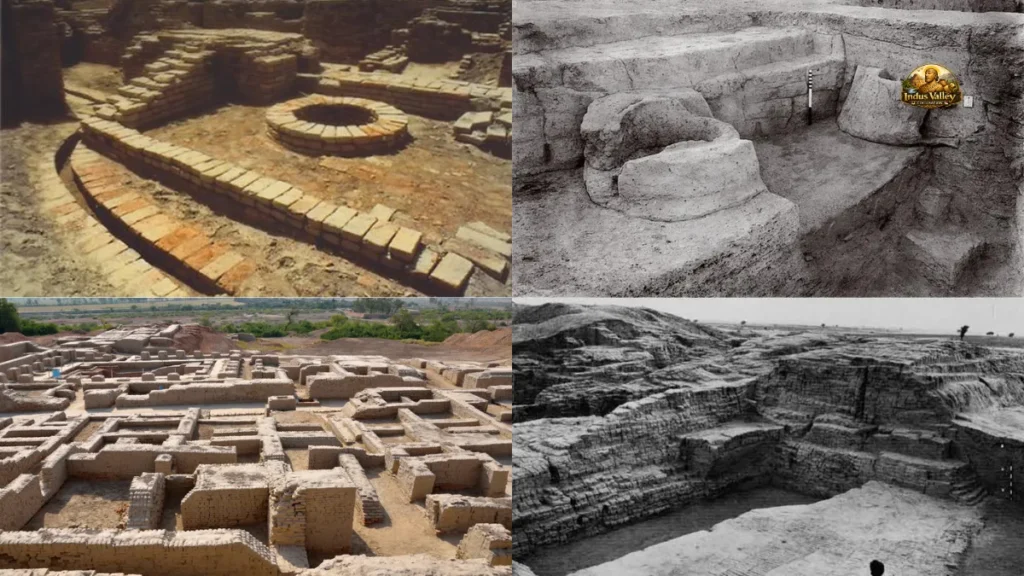
Kalibangan discovered by Indian archaeologists is one of the most important stories in the history of ancient India and the Indus Valley Civilization. The discovery of Kalibangan helped historians understand how people lived, farmed, planned cities, and practiced rituals more than 4,000 years ago in the northwestern part of the Indian subcontinent.
Kalibangan is an ancient archaeological site located in present-day Rajasthan, India. It is counted among the major centers of the Indus Valley Civilization, also known as the Harappan Civilization. The site is famous for its planned streets, fire altars, unique ploughed fields, and strong evidence of early urban life.
This article explains in detail who discovered Kalibangan, when and how it was discovered, why the discovery is important, and what Kalibangan tells us about ancient Indian civilization. The language is kept very simple and clear so that students, researchers, and general readers can easily understand the topic.
Kalibangan Discovered By Which Archaeologist
Kalibangan Discovered By Amalananda Ghosh
Kalibangan discovered by Amalananda Ghosh in the early 1950s marked a major breakthrough in Indian archaeology. Amalananda Ghosh was a well-known Indian archaeologist who worked with the Archaeological Survey of India. During his exploration in Rajasthan, he identified Kalibangan as an ancient Harappan site.
The discovery took place in 1953 when Ghosh was conducting surveys along the dried-up river channels in the region. He noticed ancient mounds and surface artifacts like pottery fragments, which indicated the presence of a very old settlement. These early findings confirmed that Kalibangan was connected to the Indus Valley Civilization.
Later, detailed excavations were carried out under the leadership of B. B. Lal and B. K. Thapar, which revealed the full importance of the site. However, the credit for the initial identification always goes to Amalananda Ghosh, making him the key figure associated with the discovery.
Location of Kalibangan and Its Geographic Importance
Kalibangan is located in the Hanumangarh district of Rajasthan, near the banks of the ancient Ghaggar River. This river is often linked with the Saraswati River mentioned in ancient Indian texts. The location of Kalibangan shows that the Harappan Civilization was not limited to Punjab and Sindh but extended deep into Rajasthan.
The site lies in a semi-desert region today, but in ancient times, the area had enough water to support agriculture and urban life. The presence of a river nearby allowed people to farm crops, trade goods, and maintain daily life. This geographic setting played a major role in the growth of Kalibangan as an important Harappan city.
When Kalibangan Was Discovered
Kalibangan discovered by archaeologists in 1953 came relatively late compared to Harappa and Mohenjo-daro, which were discovered in the 1920s. Even though it was discovered later, Kalibangan quickly became one of the most studied Harappan sites due to its unique features.
After the initial discovery, full-scale excavations began in the 1960s. These excavations continued for several years and brought to light structures, tools, seals, and evidence of early farming practices. Each excavation season added new information and helped historians understand the daily life of the people who lived there.
Why Kalibangan Is an Important Archaeological Site
Kalibangan holds a special place in Indian history because it provides clear evidence of early urban planning and social organization. The city was carefully planned, with straight roads, proper drainage systems, and separate areas for living and public activities.
One of the most unique features of Kalibangan is the presence of fire altars. These altars suggest that the people practiced ritual activities related to fire, which is rarely seen at other Harappan sites. This discovery helped historians understand the religious life of the Harappans.
Kalibangan is also important because it shows evidence of both Early Harappan and Mature Harappan phases. This means the site was inhabited for a long period and went through different stages of development.
Urban Planning and City Structure of Kalibangan
The city of Kalibangan was divided into two main parts: the citadel and the lower town. The citadel was built on a raised platform and likely used for religious or administrative purposes. The lower town was where common people lived.
The streets were laid out in a grid pattern, running north to south and east to west. This shows that the people of Kalibangan had advanced knowledge of city planning. Houses were built using mud bricks, and many homes had wells and drainage systems.
The drainage system of Kalibangan was well-designed, with covered drains running along the streets. This indicates a strong focus on cleanliness and public health, which was far ahead of its time.
Kalibangan Discovered By Excavation and Archaeological Findings
Kalibangan discovered by systematic excavation revealed many valuable artifacts. Archaeologists found pottery, beads, bangles, seals, terracotta figurines, and tools made of stone and copper. These objects provide insight into the daily life, trade, and artistic skills of the people.
One of the most important discoveries at Kalibangan was the evidence of a ploughed agricultural field. This is the earliest known example of a ploughed field in the world. The field showed a cross-ploughing pattern, suggesting advanced farming techniques.
The discovery of animal bones, grains, and storage areas indicates that agriculture and animal husbandry were the main sources of livelihood. Crops like wheat and barley were commonly grown.
Religious Practices and Fire Altars at Kalibangan
Kalibangan is famous for its fire altars, which were found in rows within the citadel area. These altars suggest that fire played an important role in religious rituals. Some scholars believe these rituals may be linked to early forms of Vedic practices, though this idea is still debated.
The presence of both domestic and public fire altars indicates that rituals were performed at both family and community levels. This shows that religion was deeply connected to daily life in Kalibangan.
Unlike other Harappan sites where religious structures are less visible, Kalibangan provides clear physical evidence of ritual practices, making it unique among Indus Valley cities.
Evidence of Earthquakes at Kalibangan
Another fascinating aspect of Kalibangan is the evidence of ancient earthquakes. Archaeologists found signs that the city was damaged by seismic activity. Cracked walls, tilted structures, and sudden abandonment suggest that earthquakes played a role in the decline of the settlement.
This discovery is important because it shows that natural disasters affected ancient civilizations just as they do today. The people of Kalibangan may have struggled to rebuild after repeated earthquakes, leading to the eventual abandonment of the site.
Trade and Economy of Kalibangan
Kalibangan was part of a wide trade network that connected different Harappan cities. Seals and beads found at the site suggest trade with regions far away. Raw materials like copper and semi-precious stones were likely brought from distant areas.
The standardized weights and measures found at Kalibangan show that trade was well-organized. This level of economic planning reflects a strong administrative system and shared cultural practices across the Indus Valley Civilization.
Daily Life of the People of Kalibangan
The people of Kalibangan lived a well-organized life. Their houses were designed for comfort and safety, with courtyards, storage rooms, and cooking areas. The use of pottery and tools shows a high level of craftsmanship.
Clothing was likely made from cotton, as cotton cultivation was known during that time. Jewelry such as beads and bangles was commonly used, indicating a sense of style and social identity.
Children’s toys and small figurines found at the site suggest that leisure and creativity were also part of daily life.
Decline and Abandonment of Kalibangan
The decline of Kalibangan was likely caused by multiple factors. Changes in river patterns reduced water availability, making agriculture difficult. Earthquakes may have caused severe damage to buildings and infrastructure.
Over time, these challenges forced people to leave the city in search of better living conditions. The gradual abandonment of Kalibangan reflects the larger decline of the Indus Valley Civilization.
Historical Significance of Kalibangan Today
Kalibangan discovered by archaeologists has become a key site for understanding ancient Indian history. It provides valuable information about early urban planning, agriculture, religion, and environmental challenges.
Today, Kalibangan is protected by the Archaeological Survey of India. Scholars from around the world study the site to learn more about the Harappan Civilization and its contribution to human history.
The discovery of Kalibangan has changed how historians view the spread and complexity of the Indus Valley Civilization, proving that it was one of the most advanced civilizations of the ancient world.
Also read: Kalibangan: Complete History, Discovery, Civilization Features, and Archaeological Importance
Conclusion
Kalibangan discovered by Amalananda Ghosh stands as one of the most important archaeological discoveries in India. From its planned streets and fire altars to its ploughed fields and evidence of earthquakes, Kalibangan offers a detailed picture of life thousands of years ago.
The site continues to educate and inspire researchers, students, and history lovers. Kalibangan is not just an ancient city buried in the sand; it is a powerful reminder of human innovation, resilience, and the deep roots of civilization in the Indian subcontinent.